Preparing Your Business for Disaster Reconstruction: What Every Facility Manager Should Know
MAKING A COMMERCIAL RESTORATION PLAN
Catastrophic events—fires, floods, severe storms, or structural failures—can bring commercial and industrial operations to a standstill in a matter of hours. While disasters themselves are often unavoidable, the speed, cost, and success of reconstruction is heavily influenced by how prepared a business is before disaster strikes.
For facility managers, property owners, and operations leaders, proactive planning is no longer optional. According to FEMA, 40% of businesses never reopen after a major disaster, and another 25% fail within one year. Preparation directly impacts survivability, downtime, and financial recovery.
This guide outlines what every facility manager should know to streamline disaster reconstruction and protect their organization when the unexpected occurs.
Why Preparation Matters in Commercial & Industrial Reconstruction
Unlike residential properties, commercial and industrial facilities involve:
- Larger structural footprints
- Complex mechanical, electrical, and plumbing systems
- Regulatory oversight (OSHA, local codes, insurance requirements)
- Business continuity pressures and contractual obligations
The U.S. Department of Homeland Security reports that each day of unplanned downtime costs businesses an average of $5,600 per minute for mission-critical operations. Without a clear reconstruction strategy, delays compound quickly—leading to lost revenue, displaced tenants, and long-term operational damage.
Preparation shortens recovery timelines by reducing uncertainty during the most chaotic phase of a loss.
Step 1: Document Your Facility Before Disaster Strikes
One of the most overlooked but impactful steps in disaster preparedness is pre-loss documentation.
Facility managers should maintain:
- Updated building plans and blueprints
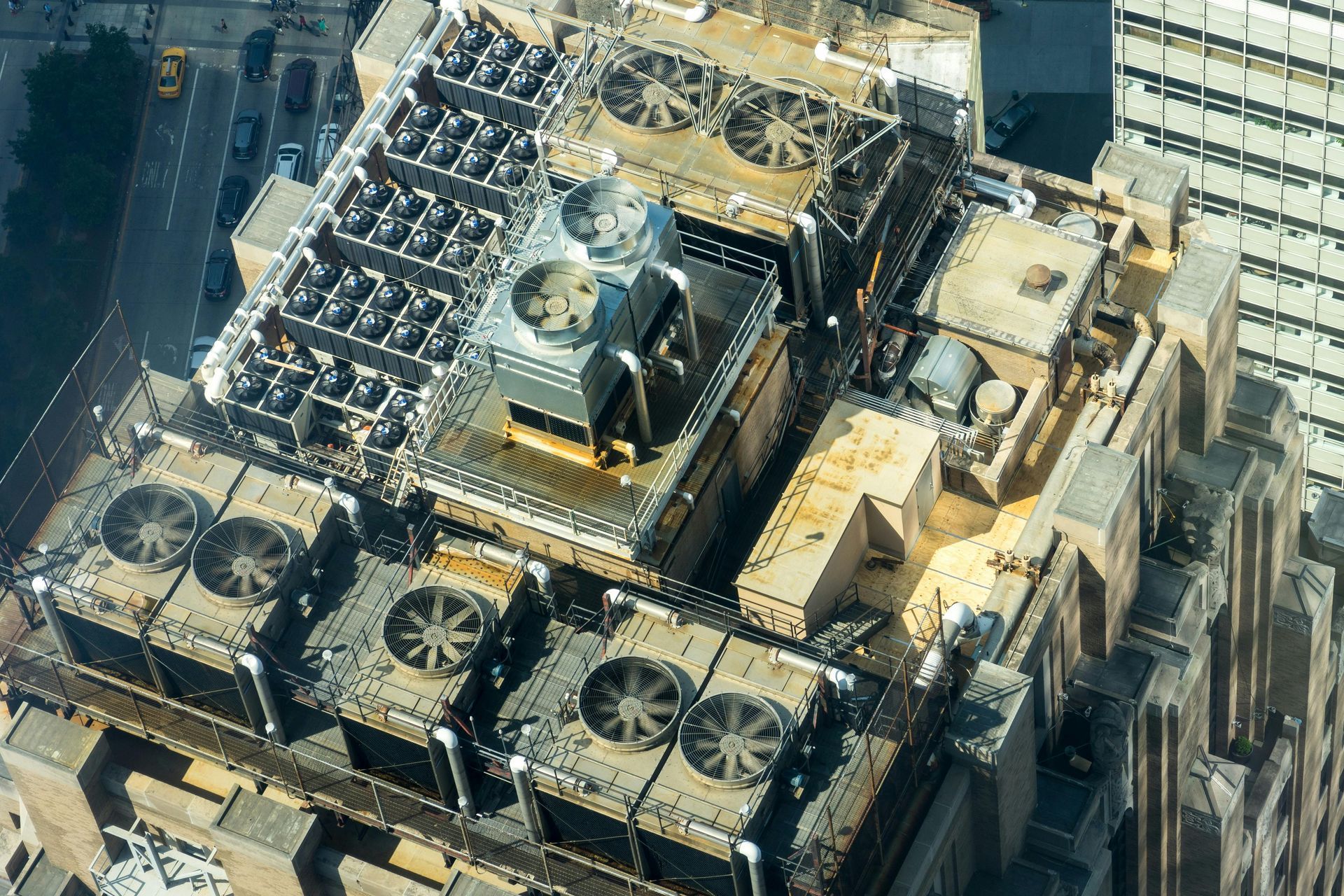
- Equipment inventories (HVAC units, electrical panels, machinery)
- Photos and videos of key structural and mechanical areas
- Maintenance records and compliance documentation
Insurance industry data shows that claims supported by detailed pre-loss documentation are resolved up to 30% faster than those without. Clear records allow restoration and reconstruction teams to act quickly, scope damage accurately, and avoid costly disputes.
Step 2: Understand How Reconstruction Differs from Restoration
Many businesses assume cleanup and reconstruction are the same. They are not.
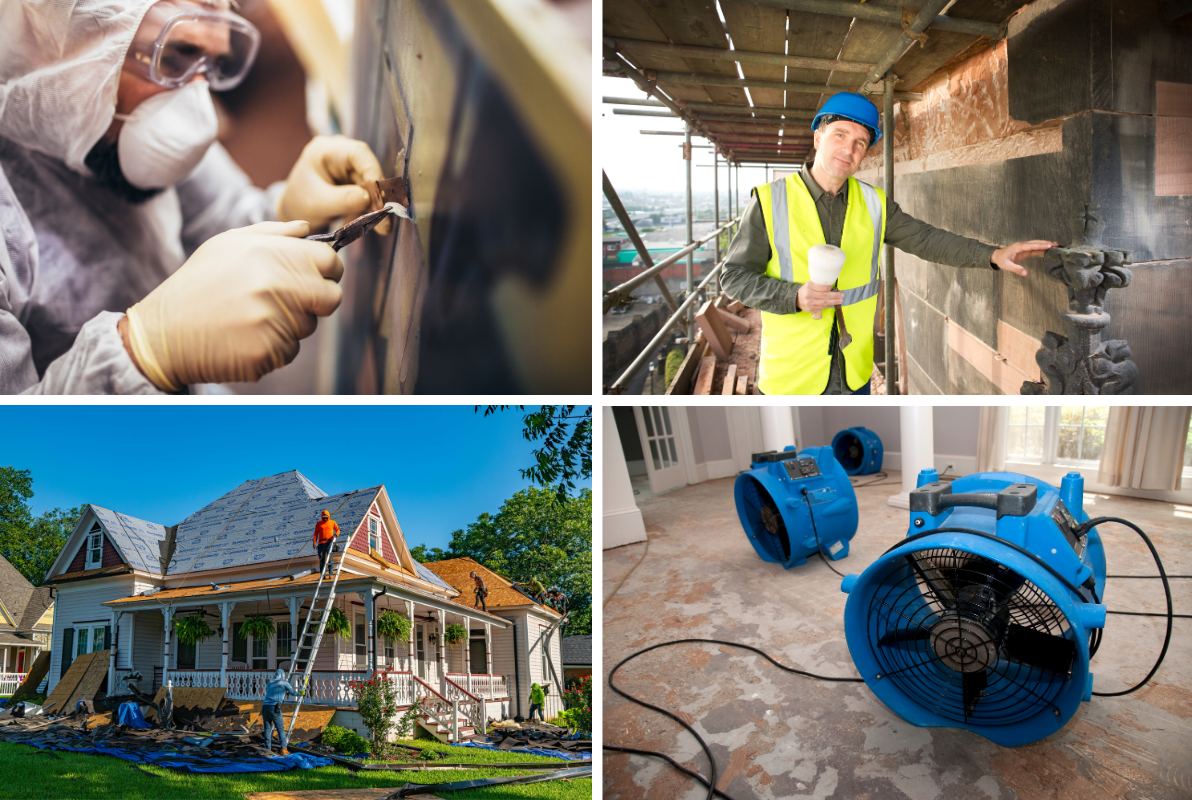
- Restoration focuses on mitigation—drying, cleaning, stabilizing, and preventing further damage.
- Reconstruction involves rebuilding structural components, systems, and finishes to return the property to operational condition.
In large-loss commercial scenarios, reconstruction often includes:
- Structural repairs or partial rebuilds
- Roof systems, framing, and load-bearing elements
- Electrical and mechanical system replacements
- Code upgrades triggered by the loss
Businesses that pre-identify a contractor capable of handling both restoration and reconstruction eliminate handoff delays and reduce downtime by weeks—or even months.
Step 3: Plan for Business Continuity During Reconstruction
Preparation isn’t just about the building—it’s about keeping operations alive.
According to IBM’s Cost of a Data Breach Report and continuity studies across manufacturing and healthcare sectors, organizations with documented continuity plans recover up to 50% faster than those without.
Facility managers should work with leadership to define:
- Temporary relocation strategies
- Phased reconstruction plans that allow partial operations
- Critical system prioritization (power, climate control, data infrastructure)
- Communication protocols for employees, tenants, and customers
A reconstruction plan that accounts for operational realities can dramatically reduce revenue loss during recovery.
Step 4: Know Your Insurance & Regulatory Requirements
After a catastrophic event, reconstruction timelines are often slowed by:
- Incomplete or inaccurate claim submissions
- Permitting delays
- Code compliance issues
Pre-loss preparation should include:
- Understanding coverage limits and exclusions
- Knowing which upgrades may be required during reconstruction
- Establishing relationships with contractors experienced in insurance coordination
Facilities rebuilt after disasters frequently trigger updated building codes, especially for fire protection, accessibility, and energy efficiency. Businesses that anticipate these requirements avoid last-minute redesigns and cost overruns.
Step 5: Choose a Reconstruction Partner Before You Need One
In the aftermath of a major disaster, qualified reconstruction contractors are in high demand. Waiting until after an event occurs often results in limited availability and longer wait times.
A trusted commercial reconstruction partner should offer:
- Experience with large-loss commercial and industrial projects
- In-house project management
- Knowledge of insurance and permitting processes
- The ability to scale crews and resources quickly
Pre-established partnerships allow reconstruction to begin immediately—often while mitigation is still underway.
Final Thoughts: Preparation Is a Competitive Advantage
Catastrophic events test more than structures—they test leadership, planning, and resilience. Businesses that prepare for reconstruction before disaster strikes recover faster, protect their workforce, and maintain operational continuity when others struggle.
For facility managers, preparation is not about expecting disaster—it’s about being ready to rebuild with confidence when it happens.
CareFree Restoration specializes in commercial and industrial reconstruction following catastrophic events, helping businesses navigate recovery with clarity, speed, and expertise.
If you’re planning ahead or assessing your current preparedness, now is the time to start the conversation.
Share This Blog!