When the Roof Fails: Commercial Roof Collapse & Structural Restoration for Industrial Facilities
CAREFREE RESTORATION... YOUR PARTNER FOR COMMERCIAL & INDUSTRIAL PROPERTY RESTORATION SERVICES IN JOHNSON CITY, TN & THE TRI-CITIES REGION
Commercial and industrial buildings face intense pressure from weather, aging materials, heavy equipment loads, and constant operational stress. When a roof fails, whether partially or completely, the damage can shut down production, create major safety hazards, and result in millions of dollars in structural, inventory, and equipment loss. Roof collapses are more common than many business owners realize, especially in East Tennessee, where heavy winds, storms, and seasonal snowfall place additional stress on commercial structures.
This guide explains what causes commercial roof collapses, how restoration professionals stabilize and rebuild damaged facilities, and what businesses should do immediately after a structural failure to protect their property and resume operations quickly.
What Causes Commercial Roof Collapse in Industrial Facilities?
Commercial roofs are engineered to support large spans and heavy load-bearing demands, but several factors can lead to sudden failure:
1. Excessive Snow Load or Standing Water
Industrial flat roofs are particularly vulnerable to:
- Snow accumulation
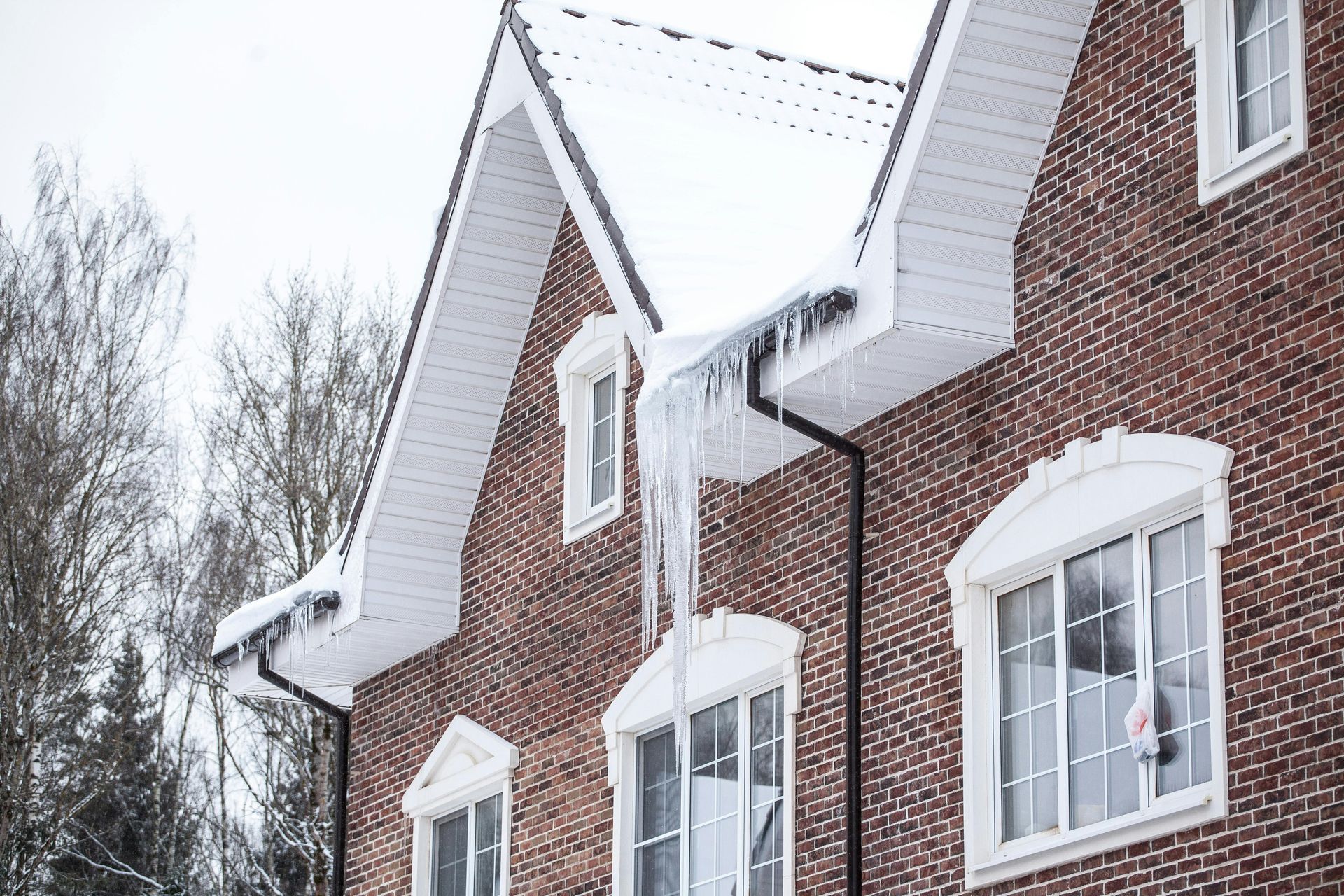
- Ice dam formation
- Poor drainage that leads to ponding of water
Moisture adds thousands of pounds of weight, weakening support structures and causing sagging or collapse.
2. Hidden Water Intrusion & Structural Rot
Long-term leaks inside warehouses or production facilities often go unnoticed until the decking, beams, or trusses reach a point of failure. Mold, rot, and corrosion accelerate deterioration.
3. High Winds & Storm Damage
East Tennessee’s severe storms regularly produce:
- Uplift wind pressure
- Torn or displaced membranes
- Impact damage from debris
Once the roofing system is compromised, interior structural components can fail rapidly.
4. Heavy Equipment or Mechanical Loads
Industrial buildings often house HVAC units, ventilation systems, piping, and mechanical equipment directly on the roof. When improperly supported, the stress can exceed design limits.
5. Poor Maintenance or Aging Roofing Systems
Deferred maintenance is one of the leading contributors to commercial roof failure. Aging insulation, cracked membranes, and outdated drainage systems intensify collapse risk.
Immediate Steps to Take After a Commercial Roof Collapse
A commercial roof collapse is an emergency. Acting quickly helps limit further damage and supports insurance recovery.
1. Evacuate & Secure the Area
Safety is the top priority. Only restoration professionals, engineers, and first responders should enter the compromised structure.
2. Shut Down Utilities
Turning off electricity, gas, and water prevents secondary hazards such as fire, electrocution, or flooding.
3. Contact a Commercial Restoration Team
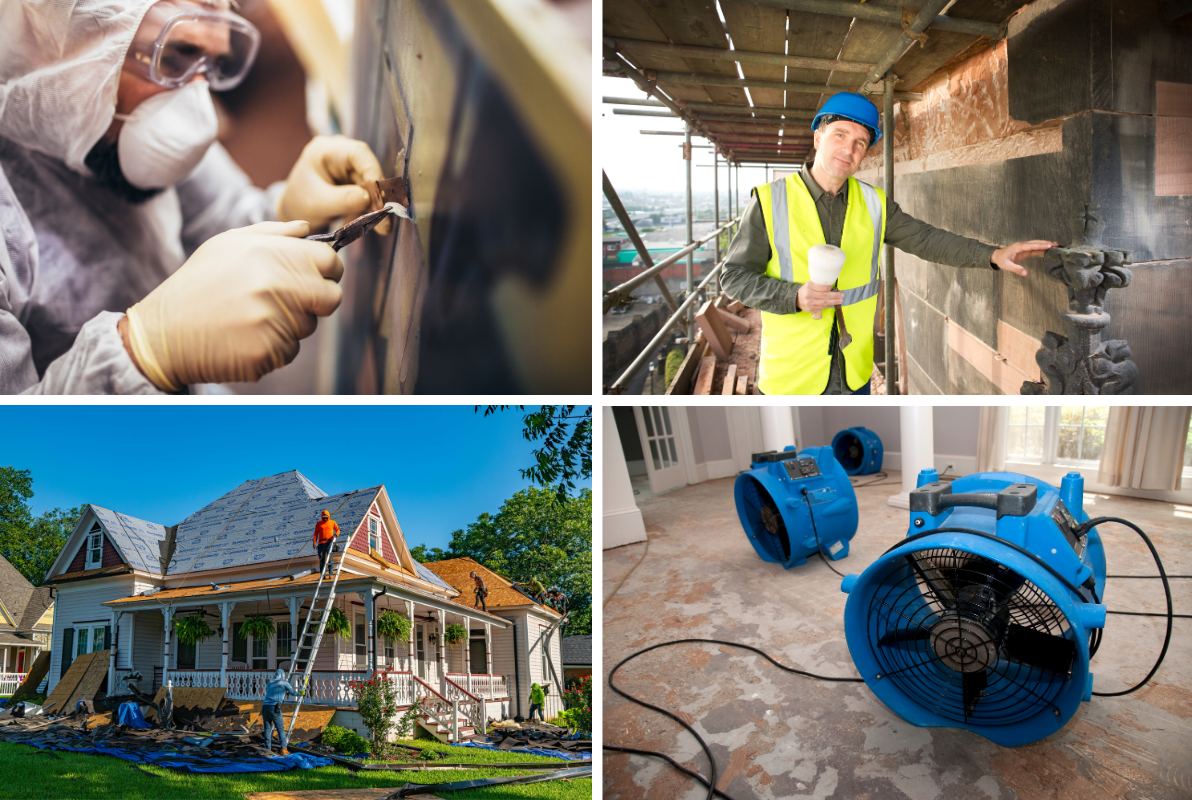
Commercial & industrial restoration specialists like CareFree Restoration provide:
- Emergency response & board-up
- Structural shoring and stabilization
- Water extraction & moisture mapping
- Content protection and equipment recovery
Fast intervention prevents additional collapse and mitigates interior damage.
4. Document All Damage for Insurance
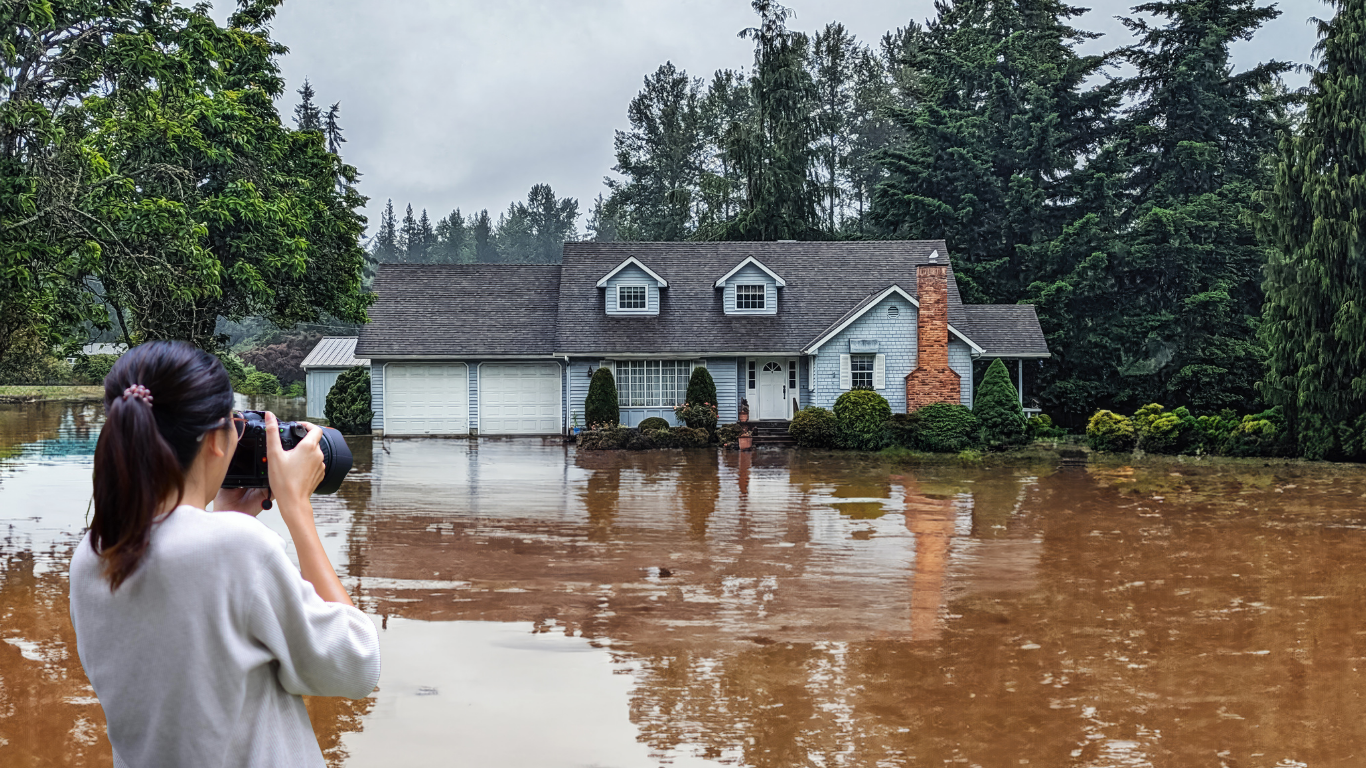
High-quality photo and video documentation is critical for large-loss claims. Restoration teams can help gather evidence and communicate directly with insurers to streamline approvals. Learn more at our Insurance page, and explore this Blog Post for more valuable information pertaining to insurance claims and damage documentation.
How Structural Restoration Works After a Roof Collapse
Commercial roof collapse restoration is complex and requires a coordinated, multi-phase process:
1. Structural Assessment & Engineering Review
Licensed structural engineers evaluate:
- Load-bearing components
- Support beams
- Wall integrity
- Truss systems
This determines whether the structure requires reinforcement, partial rebuilding, or full reconstruction.
2. Emergency Shoring & Stabilization
Restoration professionals install temporary supports to prevent further collapse and to make the environment safe for cleanup crews.
3. Debris Removal & Water Mitigation
Collapsed materials often expose the interior to rain or snow. Water extraction, industrial dehumidification, and drying help prevent mold growth and protect salvageable assets.
4. Content & Equipment Restoration
Industrial facilities often house:
- Machinery
- Electronics
- Inventory
- Raw materials
Specialized content recovery prevents unnecessary replacement costs and accelerates business continuity.
5. Reconstruction & Roof Replacement
After stabilization:
- Damaged walls, beams, and decking are rebuilt
- Roofing systems are redesigned for durability
- Modern materials improve weather resistance and drainage
This phase ensures the building meets updated safety codes and performs better than before the collapse.
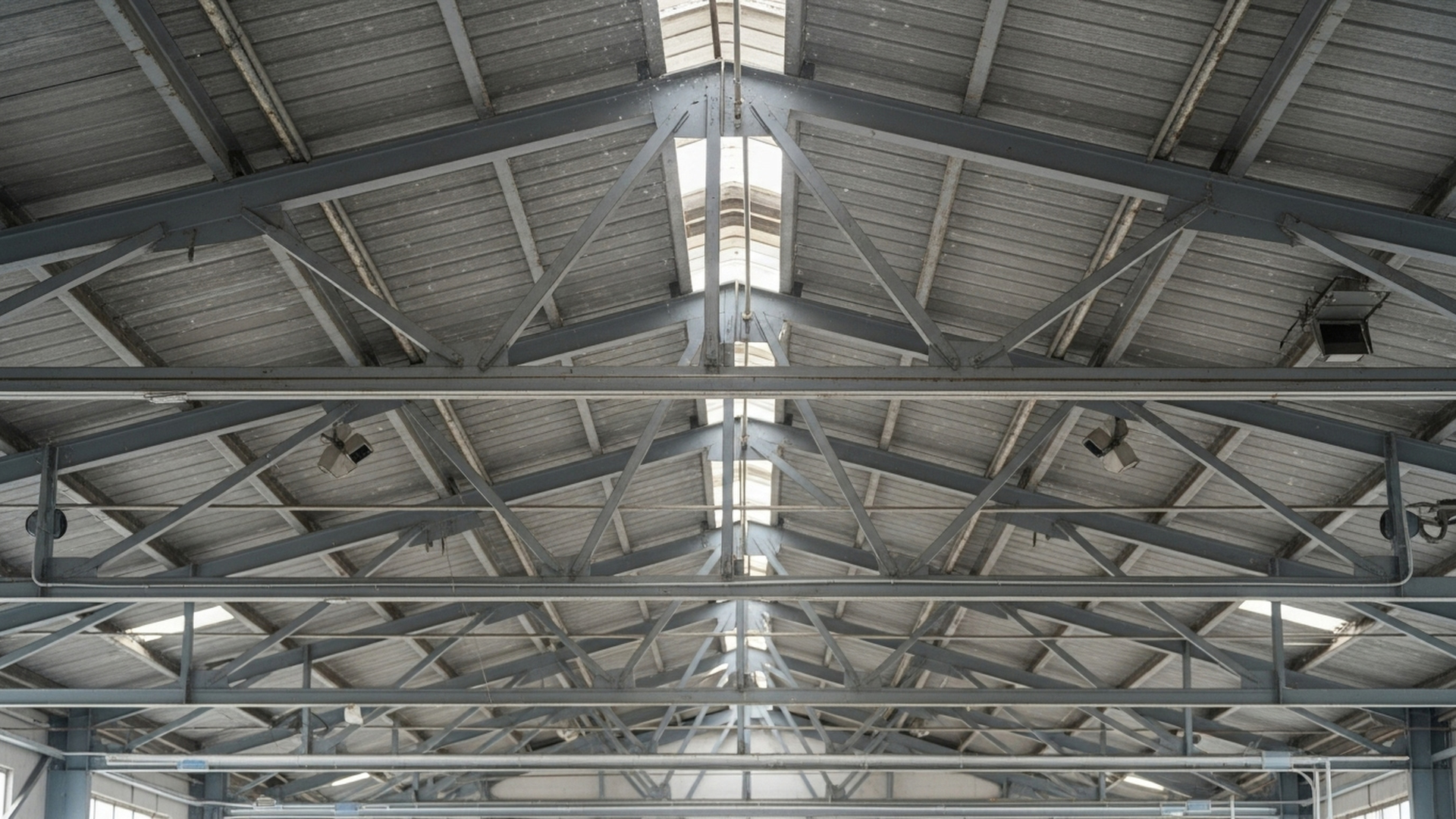
Preventing Future Roof Failures in Commercial & Industrial Buildings
CareFree Restoration recommends proactive assessments to help prevent major losses. A preventative strategy may include:
- Annual or semi-annual commercial roof inspections
- Drainage system upgrades for flat-roof industrial buildings
- Load assessments for snow and rooftop HVAC equipment
- Moisture mapping to identify hidden leaks
- Reinforcement of aging support structures
- Storm preparedness planning for large commercial campuses
Investing in preventative maintenance dramatically reduces downtime and unexpected repair costs.
Why Commercial & Industrial Properties Choose CareFree Restoration
CareFree Restoration specializes in large-loss commercial restoration, including:
- Industrial roof collapse recovery
- Structural stabilization
- Water, storm, and fire damage cleanup
- Biohazard remediation
- Inventory and machinery recovery
- Insurance coordination
Downtime is costly. Their rapid response team ensures businesses can stabilize, rebuild, and reopen as quickly and safely as possible. If you need commercial or industrial property restoration, call us at (423) 610-0500 to explore your options. Together, we will restore your business and get you back to profitable activities quickly.
Share This Blog!